 Mulch Indy
Bark Mulch in Indianapolis
Premium curb appeal for Indianapolis landscapes
Get a Free Estimate
Done-for-you mulching · Free · No obligation
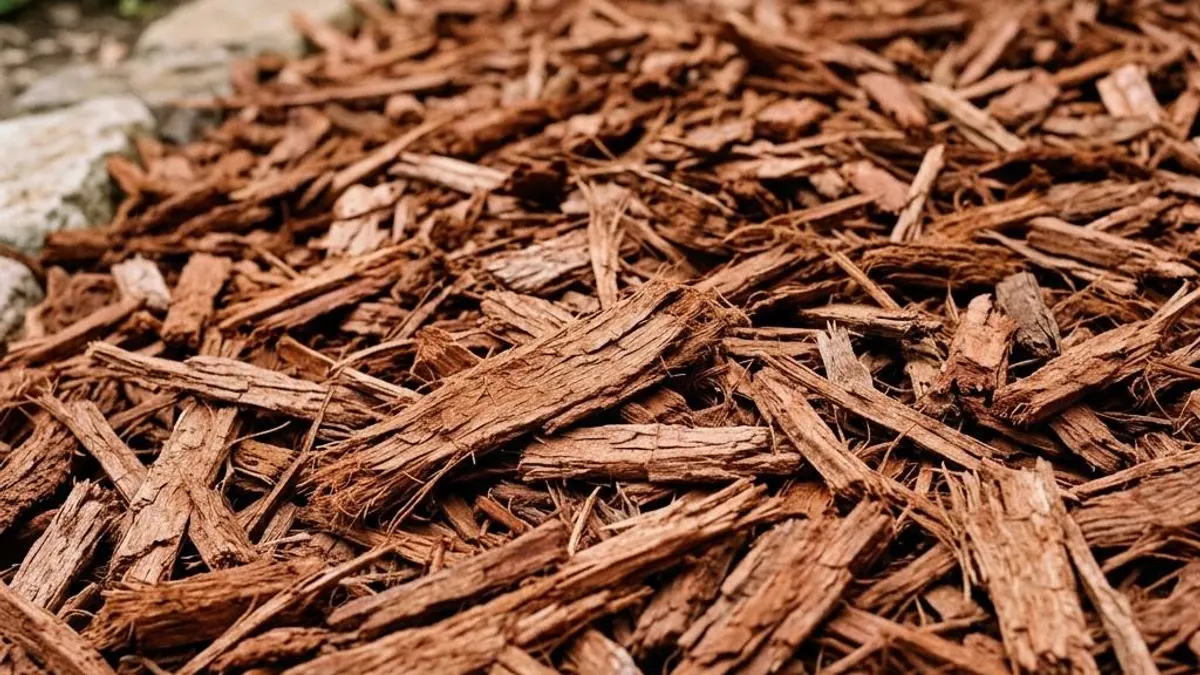
Bark mulch is made from the outer bark of trees — most commonly pine, cedar, or hardwood species. It has a cleaner, more uniform look than wood chip mulch and a pleasant woody fragrance. It's the top choice for front-yard beds and foundation plantings where appearance matters most.
Material Properties
| Color | Rich reddish-brown to dark brown |
| Texture | Flat, fibrous pieces that interlock and resist displacement |
| Longevity | 2–3 years — longer than most wood chip mulches |
| Recommended Depth | 2–3 inches recommended |
| Weight | Approximately 600–800 lbs per cubic yard |
| Coverage | 1 cubic yard covers roughly 100 sq ft at 3 inches deep |
Not sure how much to order?
Plug your bed sizes into the free mulch calculator to get cubic yards and bag counts in seconds.
Best Uses in Indianapolis
Ideal applications
- Front yard foundation beds
- Formal garden designs
- High-visibility landscape areas
- Around specimen shrubs
- Tree rings in manicured lawns
Advantages
- Superior longevity — lasts 2–3 seasons before needing replacement
- Interlocking fiber structure resists washing away in Indianapolis rain events
- Naturally repels some insects, especially cedar varieties
- Richer color enhances curb appeal throughout the growing season
- Slower decomposition means less nitrogen competition with plants
Considerations
- Higher cost than standard wood chip mulch
- Finer grades can mold in persistently wet conditions
- Cedar bark can slow decomposition of underlying leaves
- May fade to gray in direct summer sun without dye
Installation Tips for Indianapolis
Getting the most from your Bark Mulch
- Use double- or triple-shredded bark for tight planting areas — it fills gaps better
- Apply in spring before summer heat to maximize moisture retention benefits
- Rake existing bark to break up crusting before adding a fresh top layer
- A 2-inch layer is sufficient if using premium bark — no need to go deeper than 3 inches