 Mulch Indy
Cedar Mulch in Indianapolis
Natural pest deterrent with a signature fresh scent
Get a Free Estimate
Done-for-you mulching · Free · No obligation
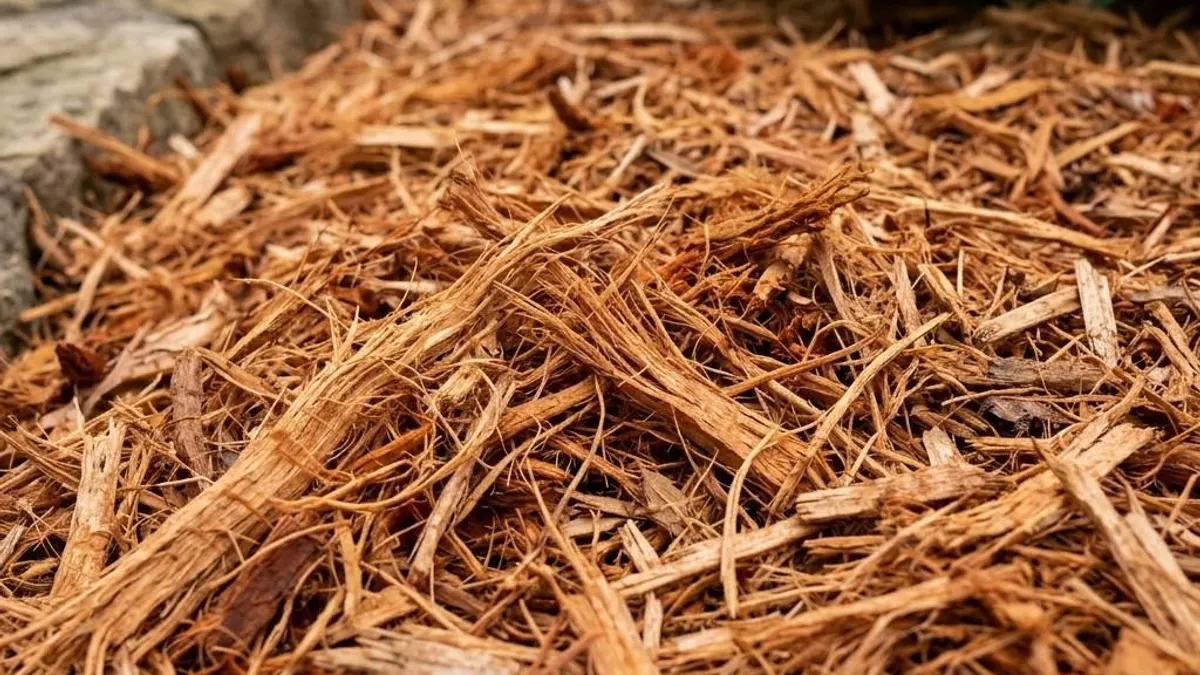
Cedar mulch is produced from western red cedar or eastern aromatic cedar wood. The natural oils in cedar have mild insect-repelling properties, making it a popular choice around foundations and entryways. The signature cedar scent fades over time but can be refreshed by raking.
Material Properties
| Color | Warm reddish-tan, lighter than pine bark |
| Texture | Stringy and fibrous — resists compacting and matting |
| Longevity | 2–3 years — one of the longest-lasting natural mulches |
| Recommended Depth | 2–3 inches recommended |
| Weight | Approximately 500–700 lbs per cubic yard (lightweight) |
| Coverage | 1 cubic yard covers roughly 100 sq ft at 3 inches deep |
Not sure how much to order?
Plug your bed sizes into the free mulch calculator to get cubic yards and bag counts in seconds.
Best Uses in Indianapolis
Ideal applications
- Foundation plantings
- Entryway beds
- Areas with recurring pest pressure
- Play areas (non-rubber option)
- Around sensitive plants prone to root rot
Advantages
- Natural cedar oils repel fleas, ticks, and some garden insects
- Exceptional longevity — resists decomposition longer than most wood mulches
- Aromatic fragrance is pleasant and can reduce yard odors
- Naturally resistant to mold and fungal growth
- Lightweight and easy to spread
Considerations
- Higher cost than standard wood chip or hardwood mulch
- Cedar oils can inhibit germination — avoid in seed beds
- Scent fades within a few months and does not permanently deter insects
- Lighter color may not provide the contrast some landscapes need
Installation Tips for Indianapolis
Getting the most from your Cedar Mulch
- Ideal for use around foundation plants near the home — safe distance from siding
- Do not use in vegetable seedling beds — cedar oils may inhibit germination
- Rake in late spring to reinvigorate the scent and improve air circulation
- Apply 2–3 inch depth; excessive depth may prevent water penetration